By: Surinder Jain.
Onam is a major annual Hindu festival. The 10-day Onam festival in 2024 will begin on September 4th and end on September 17th. The main day of Onam, known as Thiruvonam, will be celebrated on September 15th, 2024.Some key dates for Onam 2024:
- Uthradam/First Onam: September 14, 2024 (Eve of Onam when Mahabali is believed to arrive)
- Thiruvonam: September 15, 2024 (Main Onam day)
- Avittom/Third Onam: September 16, 2024
- Chatayam/Fourth Onam: September 17, 2024
So in summary, while the 10-day Onam festival kicks off on September 4th, 2024, the most auspicious and important day of Thiruvonam falls on September 15th, 2024 according to the Malayalam calendar
Significance
Onam holds great cultural and religious significance for Hindus, particularly in Kerala. It is a harvest festival that celebrates the homecoming of the beloved King Mahabali, who is believed to visit his subjects once a year during this time2. The festival symbolizes the prosperity, harmony, and cultural richness of Kerala.
The Onam festival holds great cultural and religious significance for Hindus, particularly in the state of Kerala:
- Celebration of the Golden Era: Onam commemorates the homecoming of the beloved King Mahabali, who is believed to have ushered in a golden era of prosperity, equality, and righteousness during his reign123. His return is celebrated as a symbol of that idyllic time.
- Harvest Festival: Onam is a major harvest festival that marks the beginning of the new year (Kolla Varsham) according to the Malayalam calendar13. It is a time to express gratitude for the bountiful harvest and the fertility of the land.
- Cultural Identity: The festival is deeply rooted in Kerala’s cultural heritage and traditions12. It celebrates the rich art forms, cuisine, and customs of the state, fostering a sense of cultural pride and unity among the people.
- Renewal and Regeneration: Onam signifies the renewal of life, as it coincides with the beginning of the Malayalam year and the arrival of the monsoon season2. It represents the cycle of nature and the regeneration of the land.
- Social Harmony: The celebrations bring together people from all walks of life, transcending caste, class, and religious boundaries12. It promotes social harmony, unity, and the spirit of inclusiveness.
- Homecoming and Family Bonding: The festival is a time for family reunions, as people return to their ancestral homes to celebrate with loved ones3. It strengthens familial bonds and reinforces the importance of traditional values.
- Gratitude and Humility: The legend of King Mahabali’s sacrifice and Lord Vishnu’s boon teaches the virtues of gratitude, humility, and keeping one’s promises23. These values are celebrated and reinforced during Onam.
Overall, Onam is a celebration of Kerala’s rich cultural heritage, the spirit of unity, gratitude for nature’s bounty, and the values of righteousness, humility, and social harmony123.
History
According to Hindu mythology, King Mahabali was a generous and just ruler who commanded great respect from his subjects. However, the gods became jealous of his popularity, and Lord Vishnu took the form of the Vamana avatar to trick Mahabali and banish him to the netherworld. Before leaving, Mahabali was granted a boon to visit his kingdom once a year, which is celebrated as Onam24.
The story goes that despite his virtues, the gods became jealous of Mahabali’s popularity and Lord Vishnu took the form of the Vamana avatar (dwarf brahmin) to trick and banish Mahabali to the netherworld. However, before leaving, Mahabali was granted a boon by Vishnu to visit his kingdom and subjects once a year. This annual visit of Mahabali is celebrated as Onam.
The festival is believed to have been celebrated since ancient times, with references found in Hindu texts like the Mahabharata and the Bhagavata Purana. However, the modern-day celebrations and traditions associated with Onam are thought to have evolved over the centuries, influenced by the cultural heritage of Kerala. Onam is deeply rooted in the agrarian traditions of Kerala and is celebrated as a harvest festival, marking the beginning of the new year (Kolla Varsham) according to the Malayalam calendar. The festival’s rituals and customs, such as the floral decorations (pookalam), boat races (vallamkali), and the grand feast (Onasadya), reflect the rich cultural identity and traditions of the state
Celebration
Hindus celebrate Onam to welcome King Mahabali and express gratitude for the bountiful harvest. Traditional rituals include decorating homes with floral carpets (pookalam), boat races (vallamkali), dance performances (kaikottikali), and the preparation of the iconic Onasadya (a grand feast with various vegetarian dishes)24.
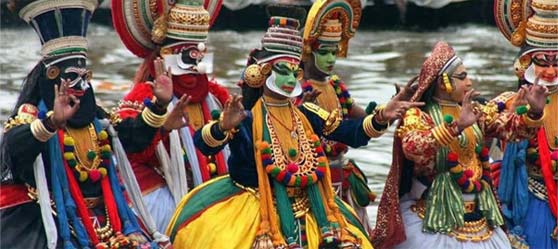
Onam is intrinsically linked to the cultural heritage and traditions of Kerala. It commemorates the homecoming of the legendary King Mahabali, who is deeply revered in Kerala’s folklore and mythology. The rituals, customs, and festivities associated with Onam are unique to the state and its people. Some key points about the celebration of Onam in Kerala from the search results:
- Decorating homes with floral carpets (pookalam) 1
- Preparing and enjoying the grand Onasadya feast with numerous vegetarian dishes13
- Snake boat races (vallamkali) on rivers and lakes1
- Kaikottikali dance performances1
- Playing traditional games like thalappoli1
- Installing the Thrikkakara Appan idol (Vamana avatar of Vishnu) 3
- Cultural programs, parades, and community gatherings13
- Wearing new clothes (Onakkodi) and gifting jewellery/garments3
While Onam may be celebrated by Malayali communities living in other parts of India, the search results do not mention any specific customs or ways in which the festival is observed outside of Kerala. Onam appears to be deeply rooted in and unique to the culture and traditions of the Kerala region.
Traditional Foods
Traditional foods prepared during Onam include banana chips, payasam (sweet pudding), avial (mixed vegetable curry), and a variety of pickles and chutneys. The Onasadya feast can include up to 30 dishes served on a banana leaf24.

Several traditional foods are closely associated with the Onam festival in Kerala and hold cultural significance:
- Onasadya (Onam Sadya) – This is the grand vegetarian feast served on Onam day, consisting of 24-28 different curries and dishes served on a banana leaf. It is an integral part of Onam celebrations13.
- Avial – A mix of different vegetables cooked in curd, coconut and spices. It is a must-have dish in the Onasadya13.
- Payasam (Paal Payasam) – A sweet milk-based pudding made with rice, jaggery, and coconut milk13.
- Banana Chips (Kaya Varuthathu, Chakkara Upperi) – Fried banana chips, some coated with jaggery, are traditional snacks served during Onam13.
- Olan – Ash gourd and black-eyed peas cooked in coconut milk gravy13.
- Kalan – A dish made with yam, plantains, coconut, and curd3.
- Pachadi – A chutney-like dish made with pineapple or bitter gourd in yogurt13.
- Thoran – Dry vegetable dish stir-fried with coconut13.
These dishes are associated with Onam for several reasons:
- They are seasonal and harvest-related foods, making them apt for a harvest festival like Onam12.
- Many use locally available ingredients and vegetables native to Kerala13.
- They represent the rich culinary traditions and flavours of Kerala13.
- Preparing and sharing the elaborate Onasadya feast together fosters community bonding during Onam12.
- The dishes have symbolic meanings related to prosperity, fertility, and the legend of King Mahabali’s homecoming2.
So the traditional Onam foods not only satiate the palate but also carry deep cultural, religious and social significance for the people of Kerala celebrating this major harvest festival
Rituals and Customs
Key rituals and customs include pookalam (intricate floral designs), Onasadya (grand vegetarian feast), vallamkali (snake boat races), kaikottikali (graceful dance), thalappoli (playing with floral mats), and installing the Thrikkakara Appan idol (Vishnu as Vamana)24.
Several rituals and customs are closely associated with the Onam festival in Kerala, each carrying its own cultural and symbolic significance:
- Pookalam (Floral Rangoli): Intricate floral designs made on the ground using vibrant flowers and petals124. This represents welcoming King Mahabali and celebrating the beauty of nature during the harvest season.
- Onasadya (Grand Feast): A lavish vegetarian feast with numerous dishes served on banana leaves123. It symbolizes gratitude for the bountiful harvest and promotes unity by sharing meals together.
- Vallamkali (Snake Boat Races): Colorful and intricately decorated snake boats race on rivers and lakes123. This tradition celebrates the region’s maritime heritage and promotes teamwork and competition.
- Thiruvathirakali: A graceful group dance performed by women, often accompanied by songs and clapping1. It is considered a ritual dance to seek blessings and find suitable husbands.
- Pulikali (Tiger Dance): Performers paint their bodies like tigers and perform a vibrant dance14. This represents the tiger’s spirit and vigour, as well as the celebration of folk arts.
- Onapottan/Onathallu: A folk art form where a performer dressed as King Mahabali visits homes, blessing people4. It symbolizes the homecoming of the beloved king.
- Athachamayam: A grand parade showcasing various folk art forms, music, and tableaux4. It celebrates the cultural richness of Kerala and marks the beginning of Onam festivities.
- Thrikkakara Appan: Installing an idol of Lord Vishnu in the Vamana avatar13, commemorating the legend of King Mahabali’s sacrifice and subsequent boon.
These rituals and customs are deeply rooted in Kerala’s mythology, agrarian traditions, and cultural heritage. They not only celebrate the harvest but also promote social harmony, artistic expression, and the preservation of age-old traditions
Celebration in Australia
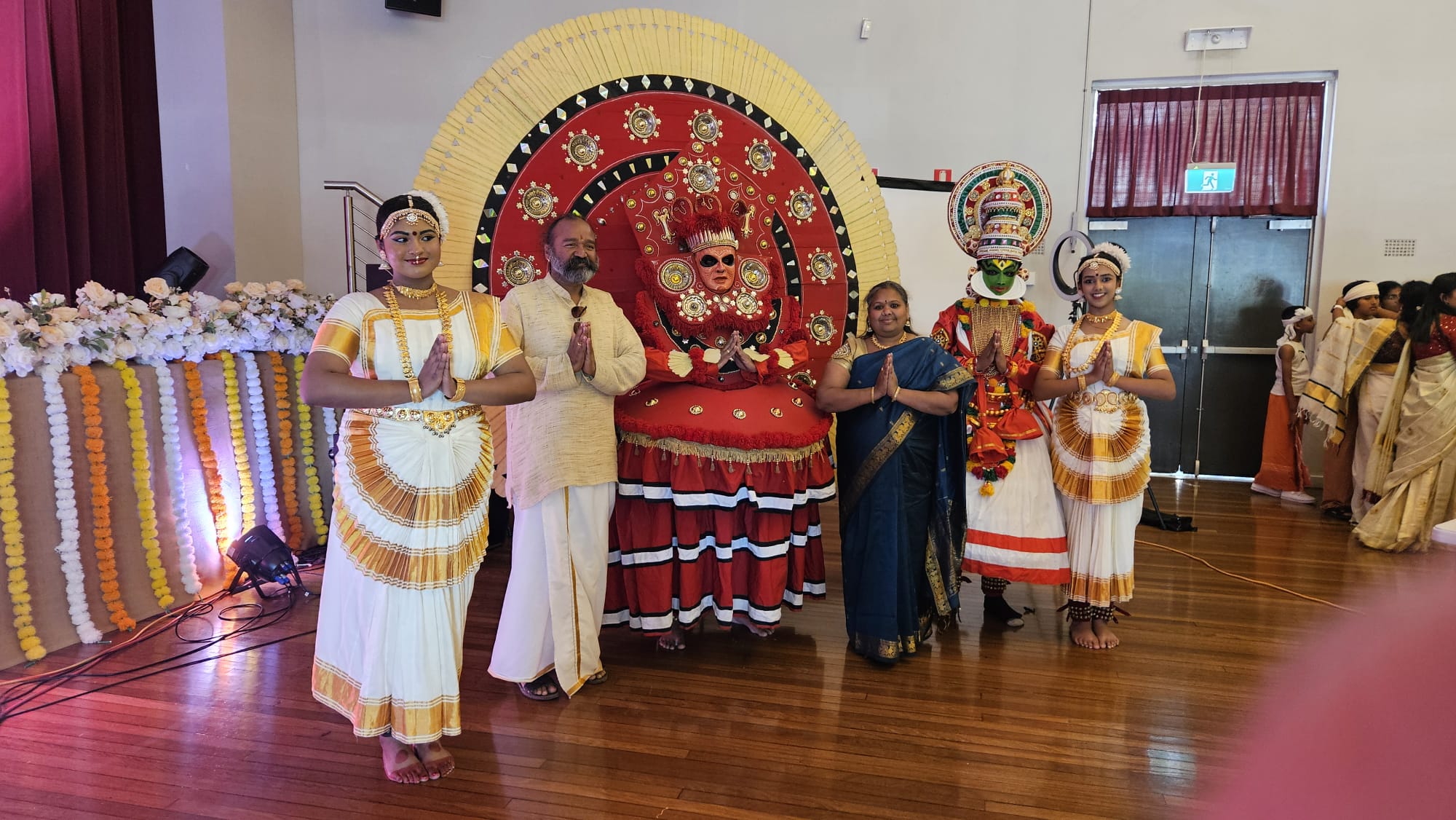
Onam is celebrated by the Malayali community and Keralites living in Australia. Major cities like Sydney, Melbourne, and Brisbane host Onam celebrations organized by cultural associations and community centres [Knowledge].
The Hindu Council of Australia likely facilitates or participates in Onam celebrations organized by local Indian associations and temples, though specific details are not provided[Knowledge]. Other Hindus in Australia, particularly Malayali and Keralite families, celebrate Onam by observing traditional customs like boat races and dances, preparing the Onasadya feast, and participating in community events and cultural programs organized by local associations[Knowledge].To join the celebrations in Australia, one can visit local Malayali or Keralite community centres and cultural organizations, or participate in events organized by Indian associations that celebrate regional festivals in major cities with a significant Indian population.
The Kerala diaspora in Townsville, North Queensland, celebrated Onam in 2009 under the banner of the Townsville Malayalee Association. Around 250 people gathered for the celebrations, which included:
- Creating a colourful pookalam (floral rangoli) with Australian flowers to welcome King Mahabali
- Singing popular Onam songs in groups and solo performances
- Staging traditional dances
- Serving a sumptuous traditional Onam lunch (Onasadya) on banana leaves, including payasam
- Competitions for best traditional Kerala attire
- Traditional games like tug-of-war
3 The website onamfestival.org mentions that the Onam carnival lasts for ten days and brings out the best of Kerala culture and tradition, including:
- Intricately decorated pookalam (floral designs)
- Serving the ambrosial Onasadya (grand vegetarian feast)
- Breathtaking snakeboat races
- Exotic Kaikottikali dance performances
- Various traditional Onam games
While the search results do not provide specific details from the Hindu Council of Australia, it is reasonable to assume that as a prominent Hindu organization, they may facilitate or participate in Onam celebrations organized by local Indian associations and temples in major Australian cities
HCA attended Onam celebrated by the Organisation of Hindu Malayalees at St Marys Memorial Hall, St Marys.