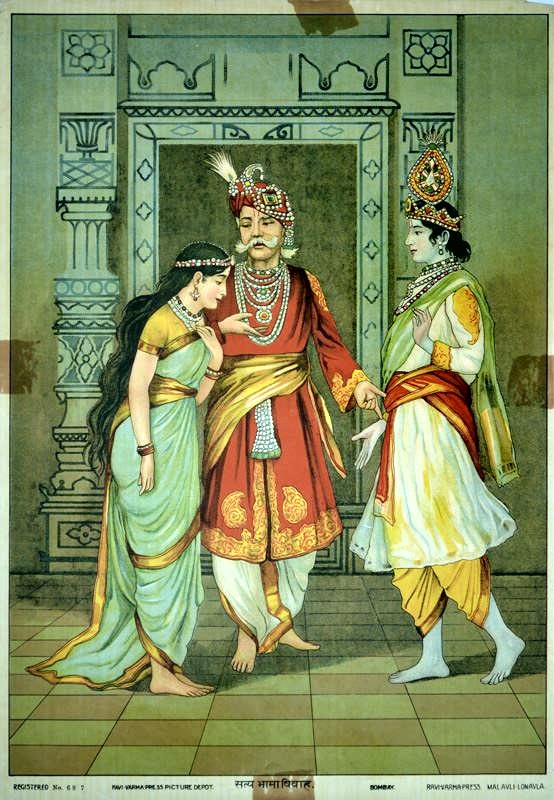
Ganesh Chaturthi is a festival that pays homage to Lord Ganesh, the remover of obstacles, and celebrates the day of his birth. Many recognize that Lord Ganesh brings order into this universe and worship him before embarking on a new endeavour, intellectual journey, or business enterprise. Therefore, it is common to see images or statues of him in these places.
One of Hinduism’s most revered personalities, Ganesha is widely recognised for having the head of an elephant and is the son of Shiva (the God of Transformation) and his wife Parvati.
Every year, his birth is celebrated with a 10-day festival, during which four main rituals, namely Prana Pratishta, Shodashopachara, Uttarpuja and Ganpati Visarjan are performed.
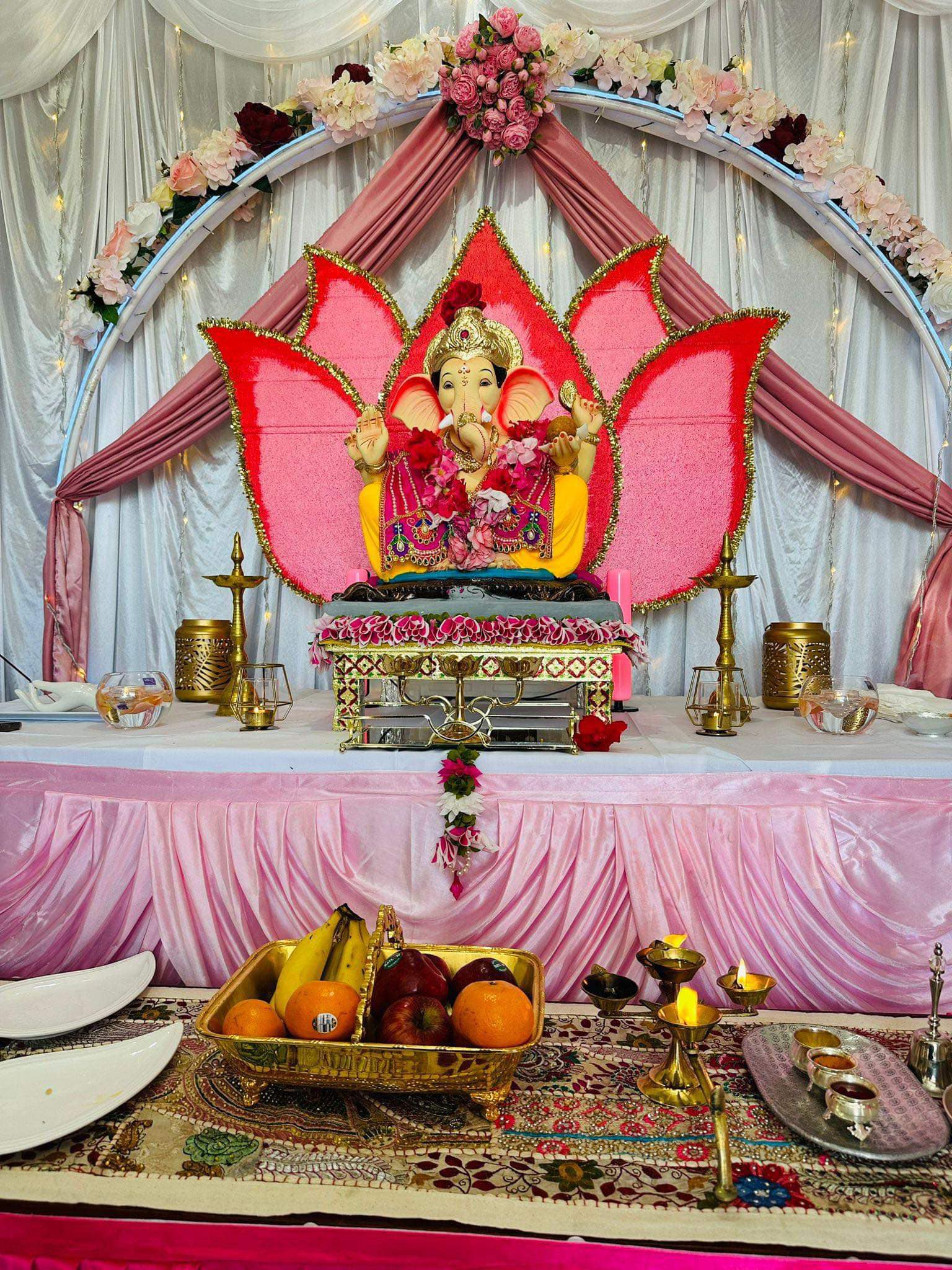
Festivities begin as Ganesha deities, generally made of clay and decorated with flowers and lights, are set up in private homes and/or temporary public stages called pandals. Priests then conduct Prana Pratishta, a ceremony in which mantras are recited, invoking Ganesha’s presence into the clay deity, after which he is offered formal prayers in a 16-step worship called Shodashopachara.
During each day of the celebration, prasad, or food blessed by the deity, is distributed throughout the community. Followers also meditate 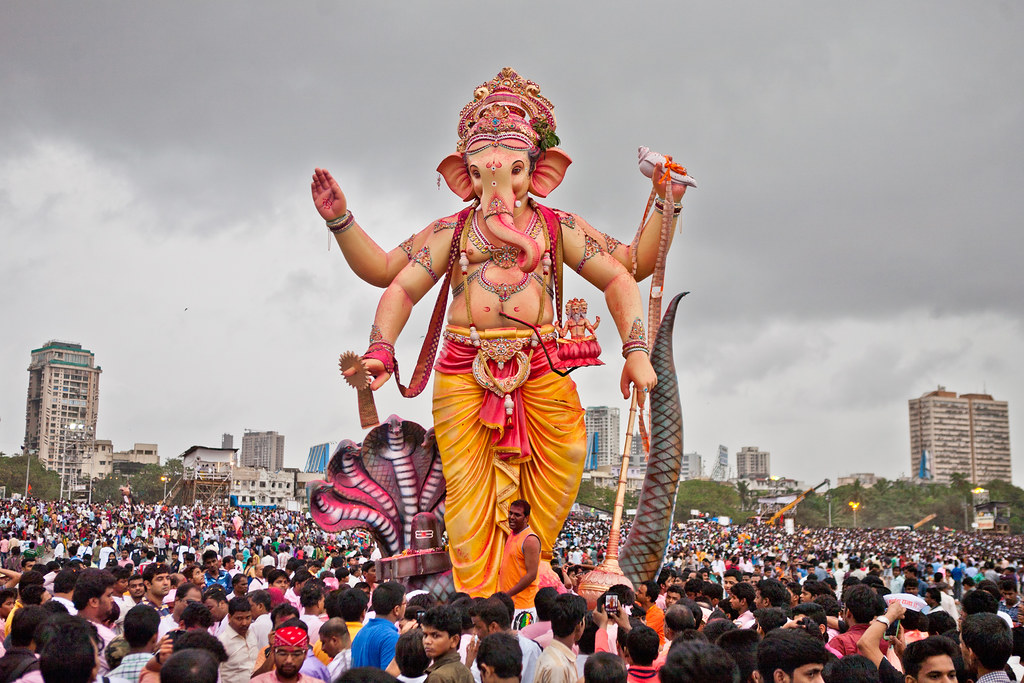 on the many aspects of his form, which symbolize deeper spiritual truths, while many choose to observe fasts.
On the last day of the festival, Uttarpuja is performed, a ritual bidding Ganesha farewell. After, he is carried in a public procession with kirtan (devotional music) to a nearby body of water in which he is immersed. This custom is Ganpati Visarjan, and it symbolizes his return to Mount Kailash, a peak in the Himalayas where Shiva and Parvati are said to reside.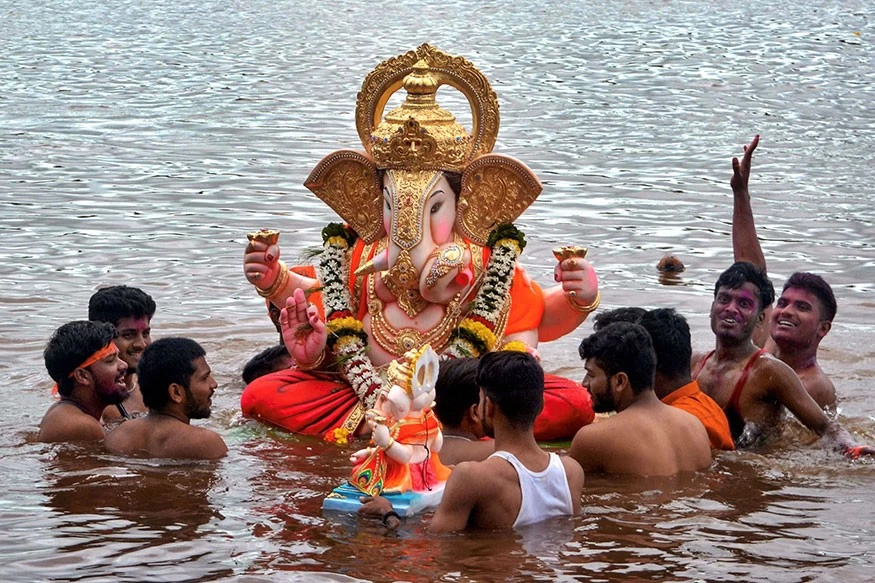
 The festival is said to have been revitalized later in the 19th century as a symbol of India’s independence movement, by freedom fighter Bal Gangadhar Tilak. In 1892, the cities of Pune and Mumbai became packed with devotees, despite the fact that such large gatherings were not allowed by the British. The 10-day festival was celebrated with patriotic gusto fueled by a united deep devotion and love for Ganesha. To this
  day, Hindu festivals continue to be celebrated with similar pomp and fervour, signifying the everlasting power such devotion can generate.
There were dozens of celebrations of Ganesha Chaturthi around Australia organised by the Hindu communities. HCA Adelaide chapter organised small celebrations at Adelaide Zoo where the Ganesha statue has been installed. People of the Hindu Community have shown amazing creativity in Ganesha decorations as Ganesha celebrations have been a showcase of creative decoration for a long time.
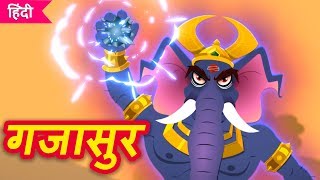
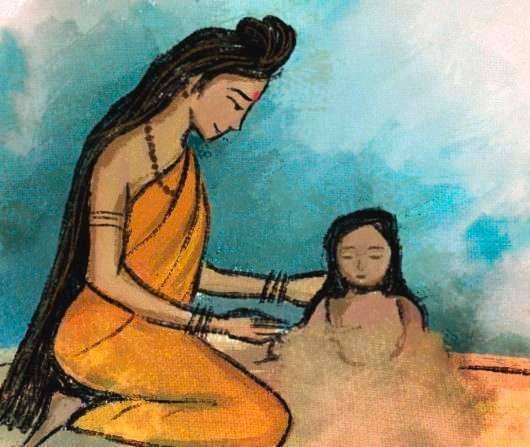
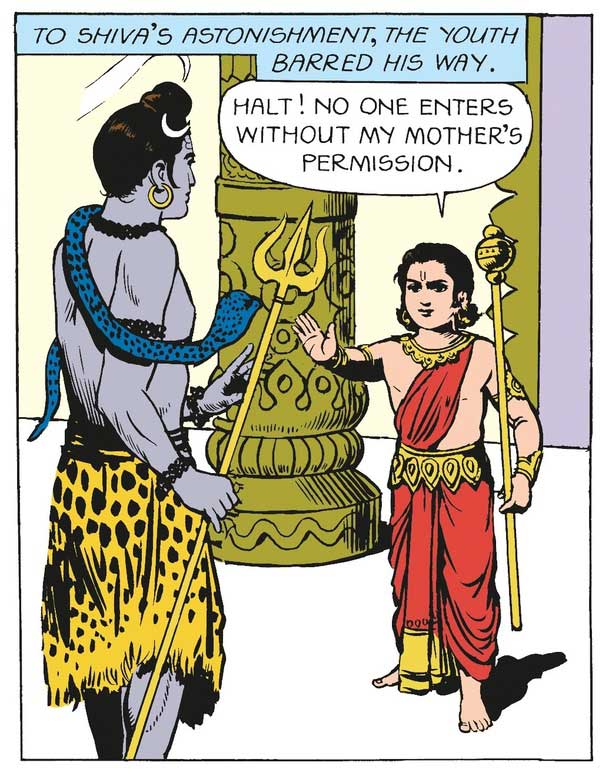
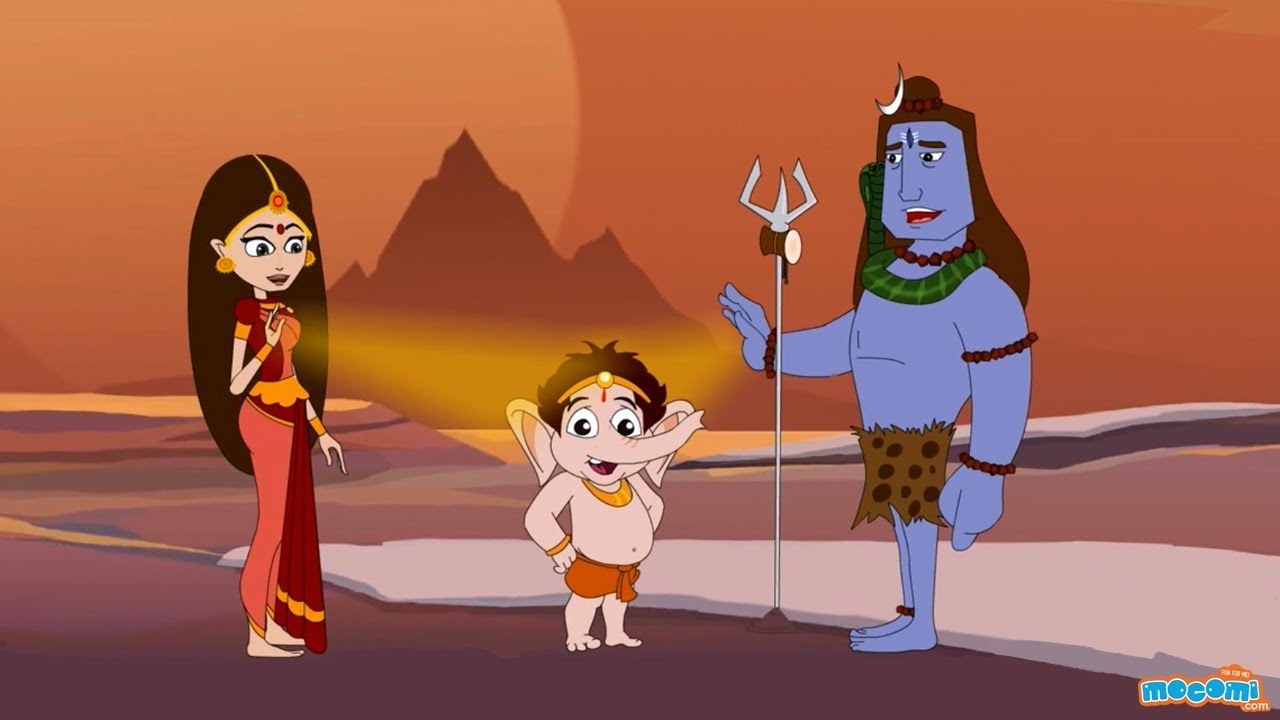 new project and without that, any ritual wouldn’t be fruitful so Gajanana became Vighna (obstacles) nayaka (leader), in short Vinayaka means remover of obstacles. Then all other gods gave him a part of their powers and weapons to make him the most powerful god who can fight with anyone or give any boon to his devotees.
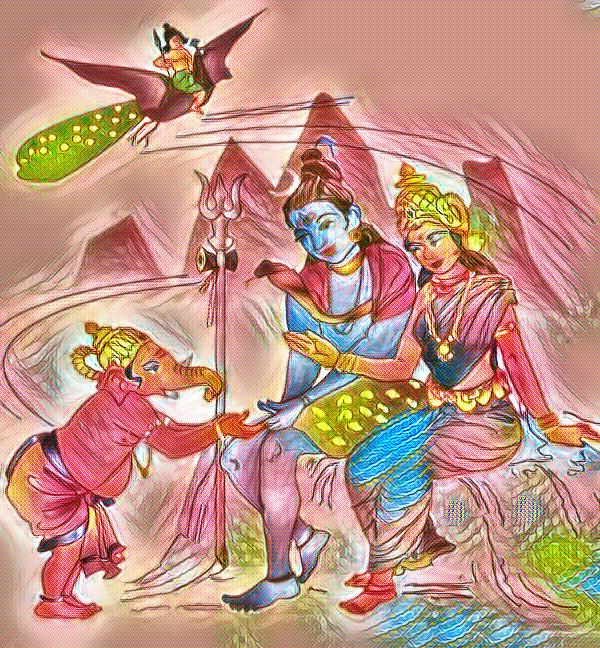 Once there was a need to raise Ganas (army) to fight with the Rakshasas but Shiva and the other gods could not find a suitable Gana (army) nayak(leader) to lead that army. Then Kumaraswamy, the second son of Shiva comes forward to be the gana nayaka but Gajanana also wants the post. So Shiva asks them to take a test and the winner would be the gana nayak. Shiva asks them to go around the universe and bathe in all the holy rivers in all worlds and return home and whoever returns first will be appointed as the head of the ganas. Kumaraswamy suddenly gets confident that he will win as he has the flying peacock as his vehicle and makes fun of fat and stout Gajanana and his tiny little rat.
 Around the same time, the famous seven sages (Saptarshis) were doing pradakshina to the homam (fire ritual) along with their wives. The fire god(Agnideva) gets attracted to the wives of sages but he cannot as they are the wives of the great sages. When Agni Deva’s wife knows this the wife of lord Agni, tries to bring happiness to her husband, transforms herself to look like the wife of the sages and spends time with her husband. Swaha Devi transforms to look like the wife of six sages except for ARUNDHATI(the famous site). The seven sages by chance see this and think that it is their wives that are present with lord Agni and leave their wives. This was the result of the wives seeing the Moon after the curse of Parvati.
 In Dwapara yuga one-day sage Narada came to see Shri Krishna in the city of Dwaraka. He informed him of the curse of Parvati, narrated the whole story and advised him not to see the moon today as it was Vinayaka Chaviti. Shri Krishna made all the people of his kingdom aware of this and he also was careful not to look at the moon. But that night when he was milking the cow, he saw the reflection of the moon in the milk. He immediately remembers what Narada had said and prepares himself to face the false allegation he might be dragged into.